Link building remains an important part of SEO in 2026, but success is no longer about collecting as many backlinks as possible. The strongest strategies earn relevant links by publishing original information, demonstrating genuine expertise and building relationships with credible websites.
In this guide, we explain what makes a high-quality link in 2026, explore the most effective link-building strategies, examine how AI can support the process, and highlight the techniques businesses should avoid.
At britweb, our SEO services include technical SEO, content and link building to improve organic visibility and attract relevant traffic. Call 01403 261491 for an initial conversation about your online business.
What has changed about link building in 2026?
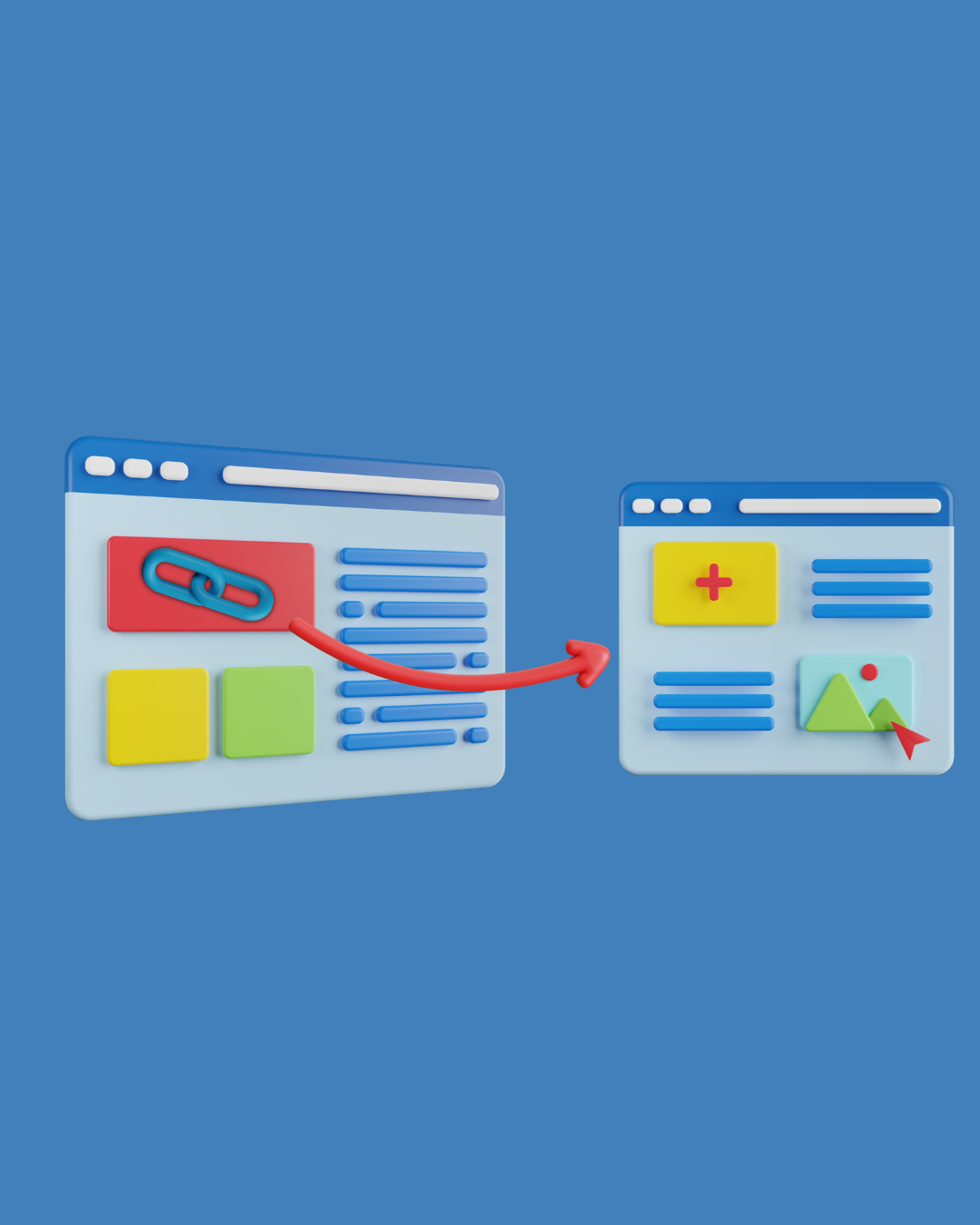
Link building is the process of earning links from other websites to your own. These backlinks can help drive referral traffic and support search visibility.
In 2026, AI tools have made basic content easier to produce, so another general blog post is unlikely to attract links unless it offers something distinctive.
Original data, expert commentary, first-hand experience and useful tools give other websites a stronger reason to reference your content. The focus should therefore be on earning high-quality backlinks from relevant sources rather than simply generating more links.
What makes a high-quality backlink?
Not all links provide the same value. A relevant editorial link from a trusted industry website may be more useful than numerous backlinks from unrelated sites with little readership.
| Factor | A potentially valuable link | A weaker link |
|---|---|---|
| Relevance | Comes from a website connected to your subject or target audience | Comes from an unrelated website |
| Editorial value | Is included naturally because it supports the content | Is added mainly to influence rankings |
| Audience | Has the potential to send relevant referral traffic | Has little relevant readership |
| Credibility | Comes from an established publication, business or organisation | Comes from a low-quality site that publishes links mainly for ranking purposes |
| Context | Adds useful information within relevant content | Appears out of place or offers little value to the reader |
Third-party authority metrics can help narrow down link prospects, but they should not be used on their own. Consider the website’s relevance, editorial standards, audience and potential to send valuable referral traffic.
The most effective link building strategies for 2026
The right mix depends on the sector, budget, expertise and target audience. However, the strongest link building strategies usually start with something genuinely worth referencing.
Publish original research people want to reference
Original research gives journalists, bloggers and businesses information they cannot find elsewhere. This could include:
- Customer surveys
- Industry benchmarks
- Regional comparisons
- Consumer trends
- First-hand testing
- Statistics drawn from your own business data
Publishing the findings on your website is only the first step. Identify the strongest insight, explain how the research was carried out and promote the story to relevant journalists, trade publications and local media.
This can earn editorial links, brand mentions and referral traffic because other websites have a clear reason to cite your business as the original source.
Share expert insights with relevant publications
You don’t need a large research budget to earn useful coverage. Journalists and publishers also need knowledgeable people who can explain current developments. You or your team may be able to comment on new legislation, industry changes, emerging technology, consumer behaviour, seasonal trends or local news.
Useful commentary can add context by explaining why the development matters, what its likely impact could be and what readers should consider. It could come from founders, developers, technical specialists, sales teams or product experts.
Publishers may use these insights in articles, reports or interviews, generating links, quotations and unlinked brand mentions.
Create tools and resources people will use
Useful resources can earn links by helping people complete a task, answer a question or understand a complicated subject. Examples include templates, checklists, comparison tools, databases, benchmark reports, data visualisations and other free tools.
After publishing the resource, contact relevant websites that link to older or less useful alternatives and explain how your resource could help their readers. A well-maintained tool or resource may continue earning organic links long after its initial promotion.
Build links through established relationships
Some of the strongest link opportunities come from existing professional and community relationships rather than cold outreach. These may involve trade organisations, chambers of commerce, suppliers, business partners, local media, events, educational organisations, charities, podcasts and specialist newsletters.
For example, a supplier may list your business as an approved partner, an association may invite you to contribute to a guide or a local publication may ask for expert advice. These links are often highly relevant because they reflect a real connection. Local businesses may also benefit from local link building and greater visibility in local search results.
Learn from your competitors’ backlinks
Reviewing competitors’ backlink profiles can reveal where they earn links and which types of content attract attention in your market. Look at which websites mention your competitors, which of their pages receive the most links and which industry organisations feature them.
You can then use link building tools to organise the results and remove low-quality websites. The aim is not to copy every backlink, but to identify patterns and gaps that you could address with better research, stronger expertise or a more useful resource.
Improve existing links and mentions
Your business may already be mentioned online without a working or relevant link.
Look for:
- Unlinked brand mentions
- Lost backlinks
- Links pointing to removed pages
- Images used without attribution
- Statistics quoted without a source link
- Links pointing to the wrong page
Before contacting the website owner, identify the exact mention and choose the most relevant page for them to link to. Explain how the link would help readers access the original source or further information.
This can be one of the easiest link building strategies for established businesses because the publisher has already chosen to mention the brand.
Consider other established link building methods
Some established techniques may also create useful opportunities when they suit your website and audience.
Broken link building involves finding links to missing resources on other websites and suggesting a relevant page from your own site as a replacement. It is most useful when your content provides a clear and suitable alternative for the website’s readers.
Guest posting may also be worthwhile when you contribute specialist knowledge to a trusted publication with a relevant audience. Broader guest blogging across unrelated websites is generally less likely to produce valuable links.
Directories and resource pages can also be useful when customers or professionals use them. It is worth being selective and avoiding low-quality sites created mainly to publish links.
How can AI support link building?
AI can help organise backlink exports, group link prospects, review competitors’ backlinks and identify content patterns or gaps. It may also help with outreach preparation, but every prospect and message should still be reviewed manually.
AI should support the process rather than replace original research, expert input, or relationship-building. Before contacting a website, confirm that the publication is relevant and that your suggested content would actually help its readers.
Which link building techniques should you avoid?
Avoid buying links to influence rankings, engaging in large-scale link exchanges, using private blog networks, listing in low-quality directories and publishing low-value content primarily to gain backlinks.
These tactics are unlikely to deliver useful referral traffic or meaningful business results. Deliberately creating or acquiring links to manipulate rankings may breach Google’s spam policies and reduce your visibility in search results.
How should you measure a link-building campaign?
A successful link-building campaign should be measured by more than the number of backlinks earned. Review the quality of new referring domains, referral traffic, changes in search visibility, and any leads or enquiries generated.
Pages earning backlinks should also contain relevant internal links. These help users find related content and can pass value to important service, category and supporting pages.
Review results over time, as improvements in organic visibility may develop gradually. These results should also be considered alongside your overall digital marketing strategy.
Summary
The most effective link-building strategies for 2026 focus on creating content, insights and resources that relevant websites have a reason to reference.
Original research, expert commentary, useful tools and established relationships can earn valuable links. Competitor analysis, improving existing mentions, broken-link building, and selective guest posting may uncover further opportunities.
AI can support research, but successful link building still depends on relevance, originality and careful prospect selection. The aim is to earn links that improve visibility, attract useful traffic and support business goals.
Contact britweb for professional SEO services
Effective link building works best as part of a comprehensive SEO strategy that combines technical SEO, high-quality content and authority building. At britweb, we bring these elements together to improve search visibility and attract relevant traffic.
To discuss your SEO requirements, contact britweb today.
Frequently Asked Questions
Can link building help local SEO?
Yes. Links from local organisations, publications, suppliers and community websites can strengthen local relevance and help more people discover your business.
How long does link building take to work?
Results vary depending on your website, sector and competition. Referral traffic may appear quickly, while improvements in organic visibility often take several months.
How many backlinks does a website need?
There is no fixed target. Focus on earning links from credible, relevant websites rather than reaching a particular backlink total.